Hantaviruses were first isolated in the late 1970s, with Hantaan virus named after the Hantan River, the site of Korean War haemorrhagic fever investigations. Old World hantaviruses (e.g., Hantaan, Puumala, Seoul, Dobrava‑Belgrade) cause haemorrhagic fever with renal syndrome (HFRS), while New World hantaviruses (e.g., Sin Nombre, Andes) cause Hantavirus Pulmonary Syndrome (HPS).
The variant that caused illness and death on the cruise ship MV Hondius is the Andes virus. ANDV is the main cause of HPS in Argentina and is considered endemic but rare, with about 100 confirmed HPS cases per year nationally over many years, concentrated in specific regions such as Andean Patagonia and the northwest.

Most hantaviruses only move from rodents to humans via inhalation of aerosolised rodent excreta, but Andes virus is exceptional in that it can be transmitted between people through close, often household‑level or intimate contact, for example through exhaled droplets (aerosols) especially in the early fever phase, and especially in confined spaces.
One well-known outbreak occurred in Epuyén in Argentina in 2018. A man who had been infected via exposure to rodent excreta attended a birthday party while symptomatic and infected several people. Infection chains extended through family, funerals, and hospital contacts, ultimately giving 34 cases and 11 deaths before strict isolation and contact tracing stopped the outbreak.
Large numbers of cases of HFRS prompted the development of vaccines, which were rolled out as follows:
– 1990s: Inactivated Hantaan/Seoul vaccines are rolled out in China and South Korea, resulting in a large drop in HFRS cases.
– 2000s–2010s: Multiple recombinant, subunit, and DNA vaccine candidates for HFRS and HPS are evaluated, but none are licensed globally.
– Late 2010s–2020s: First Andes virus DNA vaccine reaches human phase 1 and shows good safety and immunogenicity; mRNA and other platforms show strong animal protection but have not yet been fully tested and licensed for human use.
It is likely that the first case in the recent outbreak, a Dutch man who had visited several sites with potentially high native rodent populations, was infected through the inhalation of dust from rat faeces. The infection was then probably – probably only – this has not been confirmed – spread via aerosol droplets to other passengers with whom he was in close contact.
Should we be worried? Not especially. The fatality rate is between thirty and forty percent. Eleven people out of thirty-four known infections in the Epuyen outbreak died. There is no known cure, and at the moment, no approved vaccine. Hantaviruses are found everywhere in the world except Australia and New Zealand. The highest burden of disease occurs in South America and South-East Asia. The Pumala variant is found in Northern and Eastern Europe and causes a less lethal version of HFRS. The Dobrava–Belgrade variant occurs n the Balkans and Western Russia, and causes a much more serious and more often fatal version of HFRS.
But, and it is very big but, the only known variant which spreads between humans is Andes. If you visit areas of South America with high rodent populations, wear a mask and wash your hands carefully after any potential exposure. If you know someone who has recently returned from visiting such areas, and you are going to be in close proximity to that person, observe the same precautions when nearby for a period of a month.
While the consequences of infection are potentially catastrophic, the chances of infection in normal life anywhere outside endemic areas is virtually zero. So be aware but not worried.
What are we to make of some of the anti-vax and conspiracy claims that are being passed around social media? Nothing at all, except that they confirm the gross ignorance of anti-vaxxers, combined with a complete unwillingness to learn or to check what they repost. They had not heard of Hantaviruses before, and assume because they had not heard of it did not exist. Previous mentions therefore prove that this was a planned outbreak.
This is very much the same as their reaction to COVID-19. They had never heard of coronaviruses before. So we got memes featuring disinfectant labels from 2016 claiming to kill 99.9% of coronaviruses, with GOTCHA questions like “How did they know!!?” But there are many coronaviruses. They vary from very mild viruses which cause the common cold, to deadly variants like MERS and SARS. Anti-vaxxers didn’t know this, so they assumed that previous work on vaccines or cures was proof of a conspiracy.
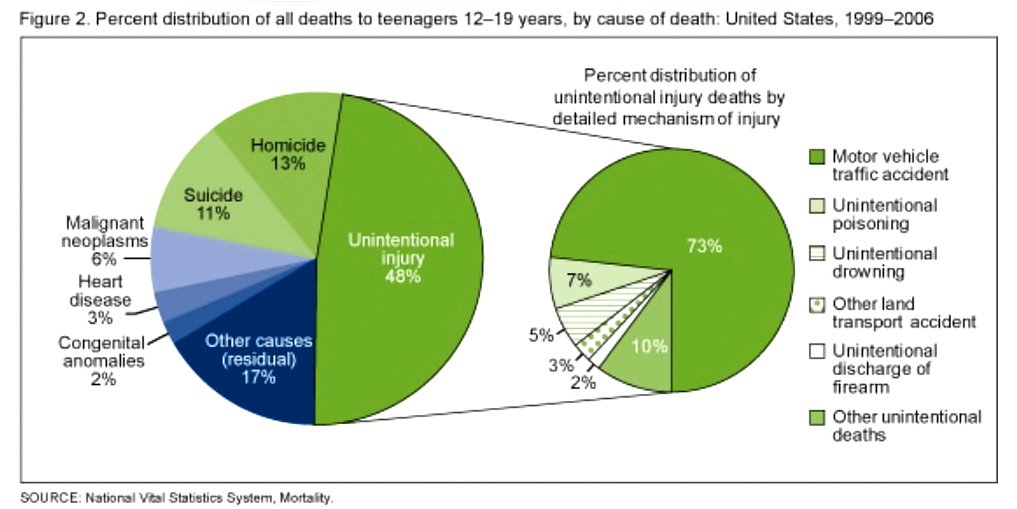
Similar ignorance-based fantasies relate to the claim that young people never died of sudden cardiac failure before COVID vaccines. But in the late 1990s and early 2000s, heart disease including sudden cardiac failure ranked fifth among leading causes of death for teenagers aged 12-19. The rate of sudden cardiac death amongst young people has slightly declined since then, including through the COVID period, because of better pre-sport testing, and the presence of AEDs at most gyms and sporting grounds.
In short, don’t be stressed about Hantaviruses, continue to ignore the arrogant and ignorant anti-vaxxers, and if you have questions or concerns about any disease or health related issues, talk to your GP or even better, a specialist in whatever field you are concerned about, eg a virologist or epidemiologist for viruses.



Leave a Reply