One of the constant refrains from the anti-vax conspiracy crowd during the COVID-19 pandemic was that masks don’t work. “Don’t you know how tiny viruses are? They can easily get through any mask. It’s like trying to stop mosquitos with chicken wire. It’s all about control.”
Could they be right? Did they really notice something that had escaped the attention of surgeons, respiratory physicians, epidemiologists, virologists, and frontline health care workers for the last hundred years? Well, no.
Viruses are very tiny. Much smaller than the gaps in any mask you could breathe through. But as medical researchers and doctors repeatedly pointed out, viruses don’t travel around on their own. They sit in moist or greasy spots on surfaces or float around in droplets of water exhaled in sneezing, laughing, coughing or even just breathing. Inhalation of almost all of those droplets can be prevented by any good respirator or surgical mask.
Researchers learned very early that COVID-19 was not commonly spread through surface contact, but though inhaling infected droplets. Any reduction in initial viral load improves your body’s ability to recognise and respond to infection. So masking should work. Even cloth or paper masks which are less effective may still reduce viral load enough to allow a more robust immune response.
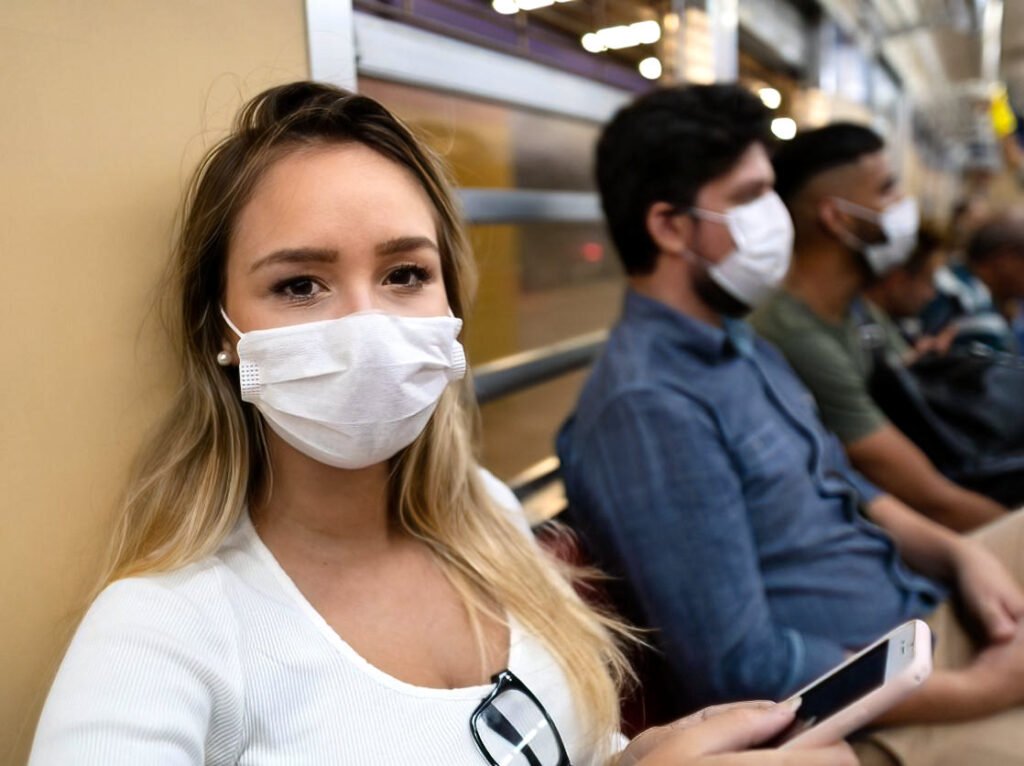
But did they work? Just to be clear, there is no doubt that respirators and surgical masks dramatically reduce the risk of infection in clinical situations. Decades of experience and multiple studies have shown this. The question is, do they have a worthwhile effect in reducing transmission as a population-wide measure?
The answer is yes. In areas of high risk of aerosol/respiratory transmission, masks significantly reduce the risk of infection.
A recent large scale study in the USA compared infection rates in counties which mandated masks in periods of high risk with counties that didn’t, taking into account other factors such as population proximity and age. Mask mandates, even though sometimes unpopular and not fully complied with, resulted in lower rates of infection and death.
https://www.sciencedirect.com/science/article/abs/pii/S1570677X26000365?via%3Dihub



Leave a Reply